
Summary:
The pain started three days ago. Dull at first, then sharper. Now it’s constant, throbbing, keeping you awake at night. Hot coffee is agony. Cold water sends shockwaves through your jaw. You’ve been taking ibuprofen every four hours just to function.
You finally call your Tupelo MS dentist. They fit you in for an emergency appointment. After examining the tooth and taking an X-ray, they deliver the news: “You have an infection. We need to do a root canal.”
Your stomach drops. Root canals have a reputation. You’ve heard stories. Your mind races through worst-case scenarios while the dentist explains the procedure. You’re terrified, confused, and mostly just want the pain to stop.
Here’s what you need to know right now: the infected tooth is causing your pain, not the treatment that fixes it. Root canal therapy eliminates the infection, saves your tooth, and stops the agony you’re experiencing. The alternative isn’t better. It’s extraction and all the complications that follow.
We’re covering:
- What’s actually causing your pain, and why it won’t stop on its own
- How modern root canal therapy has evolved from what people remember
- The genuine experience from a patient’s perspective
- Your tooth’s future after treatment
Let’s separate the reality from the reputation.
How Modern Treatment Differs
Root canal therapy today bears little resemblance to procedures from 20 or 30 years ago. The techniques, technology, and patient experience have transformed completely.
Advanced Anesthesia
Modern local anesthetics are incredibly effective. Your dentist numbs the area thoroughly before starting. You won’t feel the procedure. You’ll sense pressure, movement, and vibration, but not pain. If you do feel pain, more anesthetic gets added immediately.
For anxious patients, sedation options provide additional comfort. Nitrous oxide helps you relax while remaining conscious. Oral sedation or IV sedation is available for extreme anxiety.
Precise Instruments
Dentists use rotary files instead of manual ones. These flexible nickel-titanium instruments can clean canals more thoroughly and quickly than old-style files. They navigate curved canals that were difficult to treat years ago.
Digital Imaging
X-rays show the exact anatomy of your root canals before treatment starts. Some practices use CBCT scans that create 3D images, revealing canal anatomy with incredible detail. This prevents surprises during treatment.
Microscopes
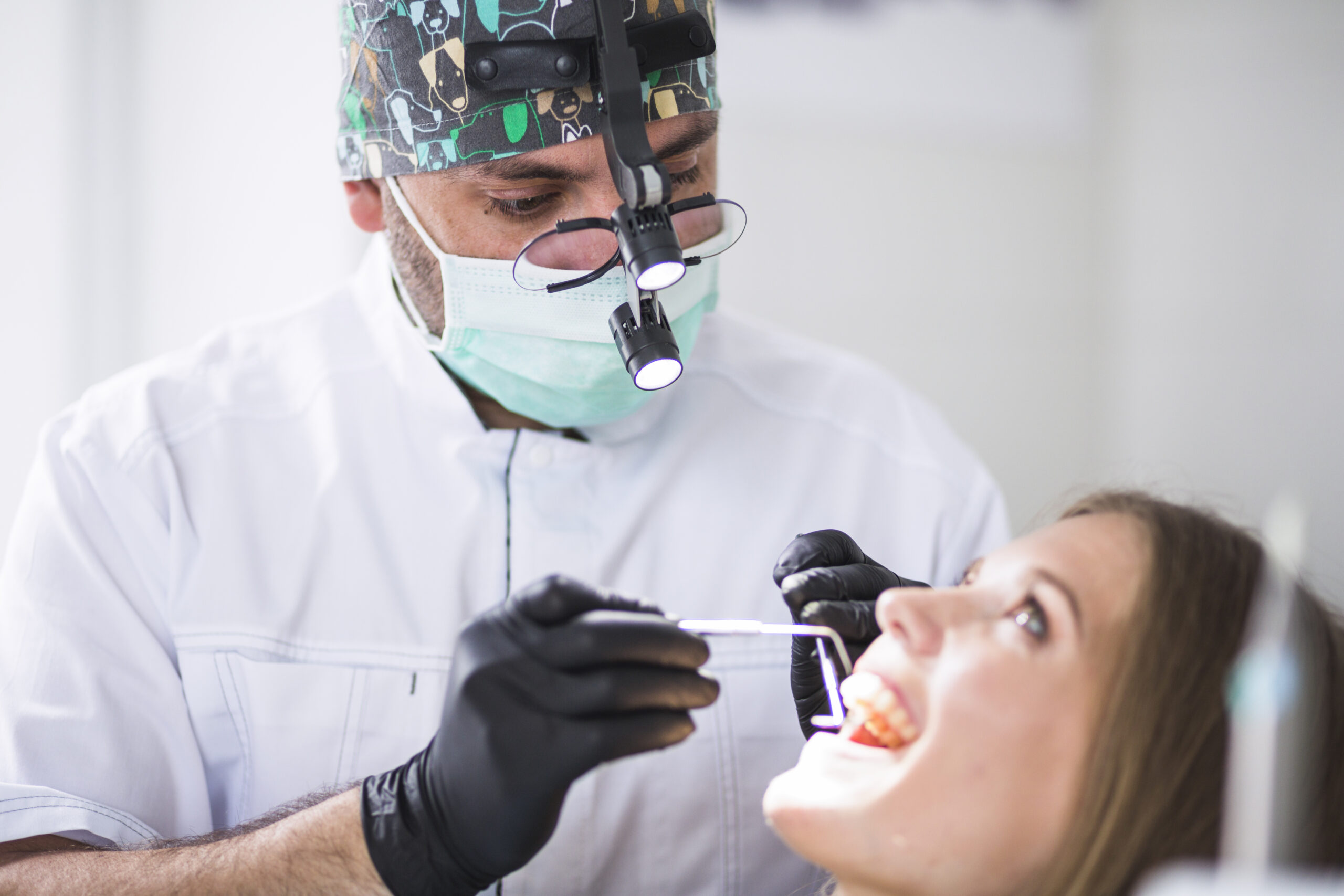
Many endodontists and general dentists now use surgical microscopes. Magnification and lighting allow them to see inside tiny canals clearly, finding anatomy that would be invisible to the naked eye. This dramatically improves success rates.
Better Materials
Gutta-percha filling material and sealing cements have improved. Modern sealers prevent bacterial reinfection better than older materials.
The combination of these advances makes root canal therapy more predictable, faster, and more comfortable than ever before.
What Recovery Actually Looks Like
You leave the office still numb. That wears off after a few hours. Here’s what happens next.
First 24 Hours
Some soreness is normal. Your tooth and surrounding tissue just underwent a procedure. This feels like a dull ache, not the sharp infection pain you had before. Over-the-counter pain relievers handle it easily for most people.
You might feel tenderness when biting down on that tooth. This happens because the ligament around the tooth root is inflamed from the procedure. It settles down quickly.
Days 2-3
Discomfort continues decreasing. You’re increasingly aware that the tooth feels dramatically better than it did before treatment. That throbbing, constant agony is gone. What remains is mild soreness that improves daily.
One Week Later
Most people feel completely normal by this point. The tooth might be slightly sensitive to pressure, but it functions fine. You’re eating normally, sleeping well, and no longer thinking about it constantly.
Important Warning Signs
Severe pain that gets worse instead of better needs attention. Swelling that develops or increases after treatment needs evaluation. Fever or feeling unwell isn’t normal. Call your Tupelo, MS dentist if you experience any of these.
But for the vast majority of people, recovery is uneventful and way better than the pain they experienced before treatment.
Life After Root Canal Therapy
Your tooth remains in your mouth, functioning normally for chewing. It can’t sense temperature anymore because the nerve is gone, but it handles biting pressure just fine.
The surrounding ligament and bone remain intact. These structures have sensory nerves that help you gauge how hard you’re biting. This proprioception is something implants don’t provide.
Most dentists recommend a crown after root canal therapy, especially for molars. The tooth becomes more brittle without its internal blood supply. A crown protects it from fracturing under chewing forces. Front teeth sometimes don’t need crowns because they handle less force.
With proper care and a crown for protection, root-canal-treated teeth last for decades. Many last a lifetime. The success rate is 85 to 95 percent, depending on the tooth and circumstances.
Care for the tooth normally. Brush twice daily. Floss once daily. See your dentist regularly. The tooth itself can’t get cavities anymore since the nerve is gone, but the surrounding gum and supporting bone still need maintenance.
Addressing the Fear Factor
Root canal anxiety often stems from outdated information. People heard horror stories from relatives who had procedures done in the 1980s or 1990s. Techniques have improved dramatically since then.
The procedure doesn’t cause pain when done with adequate anesthesia. If you feel pain during treatment, it means you need more numbing. Speak up. The dentist will add more anesthetic. There’s no reason to suffer through it.
The recovery is typically mild. You’re usually back to normal activities the next day. Compare this to the days or weeks of agony from an untreated infection.
Many patients report feeling foolish for waiting so long once the procedure is done. The anticipation was worse than the reality. The relief from pain makes it worthwhile.
If you have severe dental anxiety, discuss sedation options. You don’t have to white-knuckle through treatment. Modern dentistry offers ways to make the experience comfortable.
Making Your Choice
If your dentist recommends a root canal in Tupelo, MS, you’re facing a decision about a tooth you’ve had your entire life.
- Root canal therapy saves the tooth: You keep your natural tooth structure. Your bite stays the same. Adjacent teeth aren’t affected. Bone remains intact.
- Extraction permanently removes the tooth: You deal with a gap, shifting teeth, and bone loss, and eventually need expensive replacement options.
For most people with saveable teeth, trying the root canal makes sense. If it fails, you can still extract later. You can’t undo an extraction.
Ask questions. Understand why your specific tooth needs this treatment. Get clear on the timeline, cost, and what happens after. Make an informed decision. Connect with our experts at Main Street today!
Remember, your tooth is worth saving, and root canal therapy makes that possible.
Takeaway:
- Root canal therapy removes infected pulp tissue from inside your tooth while preserving the tooth structure.
- Recovery typically involves mild soreness for a few days, dramatically better than the pre-treatment pain from the infection.
- Ready to give yourself a pain-free smile experience?